
Caregiver Corner
By Jennifer Beach
What if someone offered you and your loved ones a way to significantly cut your chances of getting sick this season? No gimmicks, no pills, and very low cost. Would you do it? Well, there is something available this season and we all have access to it. It may sound too simple, too good to be true, but the biggest issue for most of us is doing it consistently.
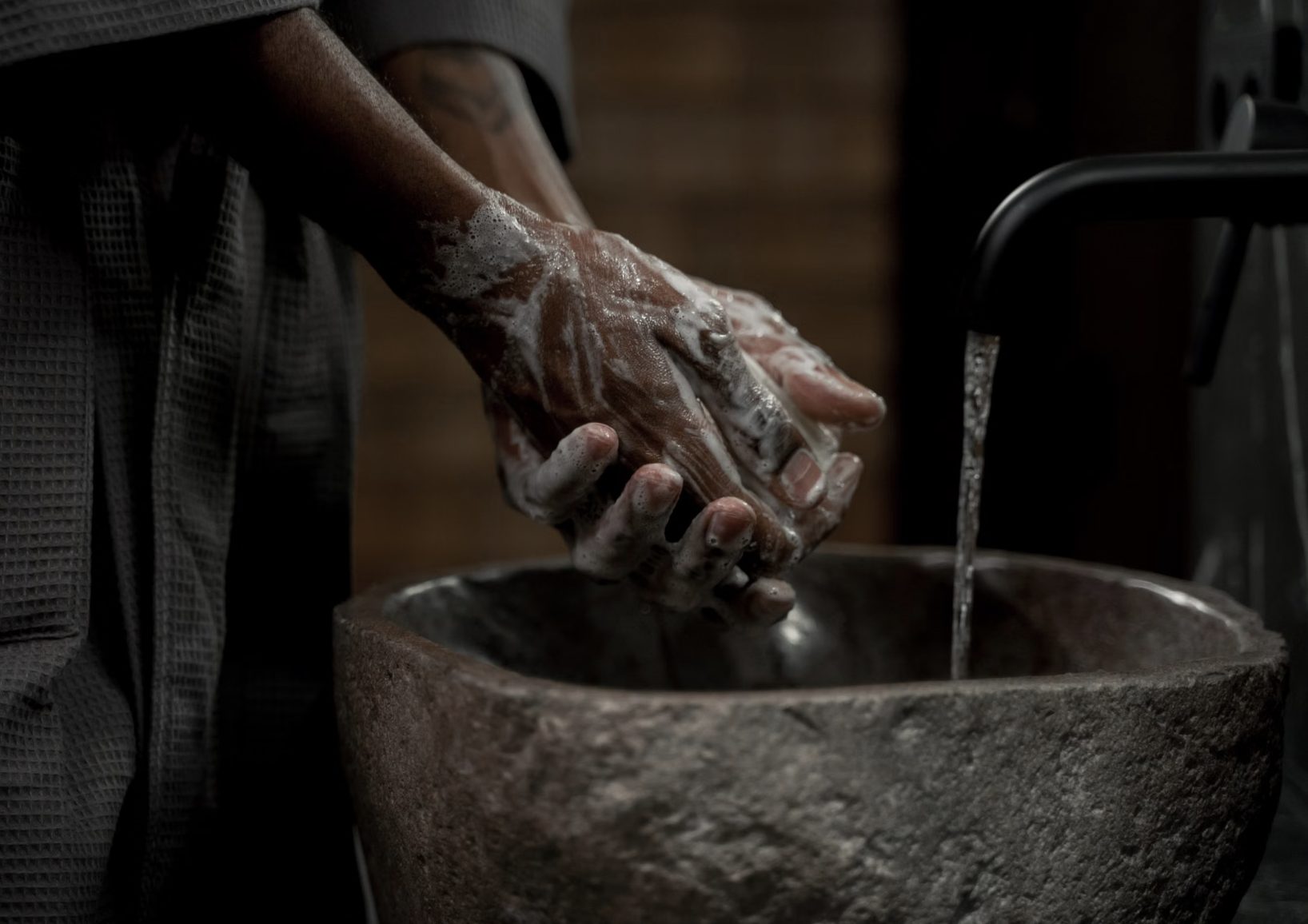
What is this potential protection? The answer: Handwashing. I know you’re probably rolling your eyes, but it is amazing the data and research which significantly support the reduction of colds, flu and many other nasty bugs that we openly invite into our system daily. Unfortunately, we do not understand the true protection washing our hands properly and consistently provide.
This is especially the case along older adults in hospitals, living in senior care communities, individuals living with memory issues and in our own households. Somehow this simple, life-changing task gets ignored, and while it does, people are getting sick, developing more challenges, and even taking more medication all because of the lack of handwashing.
A few startling facts according to the CDC:
- Research shows that washing hands with soap and water could reduce deaths from diarrheal disease by up to 50%.
- Researchers estimate if everyone routinely washed their hands, 1 million deaths a year could be prevented.
- A large percentage of foodborne disease outbreaks are spread by contaminated hands. Handwashing can reduce the risk of foodborne illness and other infections.
- Handwashing can reduce the risk of respiratory illnesses, like colds, in the general population by 16–21%.
- Handwashing reduces diarrheal illness in people with weakened immune systems by 58%
In the past week, I visited a hospital, accompanied a client to a procedure, and checked on clients in four senior communities: two memory care units, one assisted living community, and one independent living community. During these visits, clients, staff members and family members ate meals or snacks or used the restroom. Apart from one medical provider, I did not observe anyone washing their hands.
During the height of COVID in 2020, hand sanitizer became the go-to, and for many, slowly either replaced or reduced handwashing. Hand sanitizers have their place and time but are not a replacement for handwashing. Hand sanitizers are good in a pinch when soap and water are not available and with a few conditions. Hand sanitizers must contain at least 60% alcohol; you must use enough to cover the entire surface of your hands and allow your hands to completely dry. Also, over time, the alcohol evaporates, making them even less effective; checking the expiration date is critical.
Soap and water make more than just suds. Together, they work wonders to remove all types of germs from our hands. As it turns out, the 20-second investment (enough to sing Happy Birthday twice) is worth it, since handwashing can remove not just all germs, but other harmful agents like heavy metals and pesticides.
Just plain, good old-fashioned soap will do the job. Antibacterial soap is not required or needed. In fact, antibacterial soap carries no special benefits when compared to plain soap, according to the CDC. It can actually strip away some of our good bacteria, making our skin dry, inviting cracks and potential openings in our skin.
Studies have shown that soap and water is much more effective than sanitizers at removing certain germs, including Clostridium difficile (aka C. Diff), a life-threatening germ that can damage the colon and even lead to death, and is a growing concern for older adults.
I encourage all of us to practice and advocate handwashing, not only for ourselves but for our loved ones, friends, and neighbors. If you have a loved one in a senior community, ask, watch and monitor their handwashing practices. Do they have hand washing systems in place and do they routinely practice ensuring the residents wash their hands with soap and water before every meal, after toileting, throughout the day? These practices require time and enough support (staff) to implement. For individuals in hospitals and/or nursing homes who may be eating their meals in bed, are there opportunities for hand washing before meals, and after bowel movements? Seems simple enough but time and resources are precious, and this potentially life-saving event is often not a priority.
Ways we can help:
- Be a role model and practice washing your hands at home and when visiting others in senior communities, hospitals or friends’ homes.
- Encourage your loved one or friend to wash their hands with you or ask if you can assist them in any way. Ensure proper supplies are in the bathroom or made available to them.
- Do not be afraid to ask about handwashing practices in various settings, or voice concerns if you are not seeing handwashing or proper supplies available.
It’s funny; something we think of (or do not think of) as so simple is a bit more complicated in various settings and at various times in our lives. When someone does not feel well, is in pain, has mobility issues, memory challenges or no longer in a routine habit, hand washing is one of the last things on anyone’s mind. We can help and potentially have influence in many lives by the simple act of handwashing.
I look at this way: I have nothing to lose by doing this simple, low-cost habit and potentially much to gain by reduce my chances of getting sick.