

Gardening Sweet Spots
By Donna Hessel
Different Birds Need Different Types of Seed
Follow these tips to ensure the birds that visit your gardens in the winter can find the food they need to stay healthy throughout the season.
- Cardinals, chickadees, finches, sparrows and woodpeckers like black-oil sunflower seeds and hulled sunflower seeds. Birds prefer hulled sunflower seeds, but seeds need to be kept dry to avoid spoilage.
- Doves, quails and sparrows like cracked corn.
- Bluebirds, catbirds, grosbeaks, mockingbirds, orioles, robins, tanagers, thrashers, towhees, waxwings and woodpeckers like oranges. Apples, blueberries, cherries, cranberries; purple grapes and raisins are also favorites. Moldy fruit needs to be removed immediately to avoid the formation of toxins that are harmful to birds.
- Bluebirds, chickadees, nuthatches, titmice and wrens would love a high-protein treat of mealworms (available from pet stores).
- Juncos, robins, sparrows, starlings, thrushes forage for food on the ground and will enjoy millet.
- Finches, pine siskins and redpolls like nyger or thistle seed.
- Chickadees, jays, nuthatches and titmice eat unsalted peanuts, shelled or unshelled. Crack some of the shells on shelled peanuts so birds know what is inside.
- All insect-eating birds love suet. Putting suet in a wire cage gives the birds something to cling to while eating.
Birdseed should always be stored in a dry, cool place. A covered bin is ideal – one that can’t be gnawed through by squirrels, mice or racoons.
What Type of Feeder is Best?

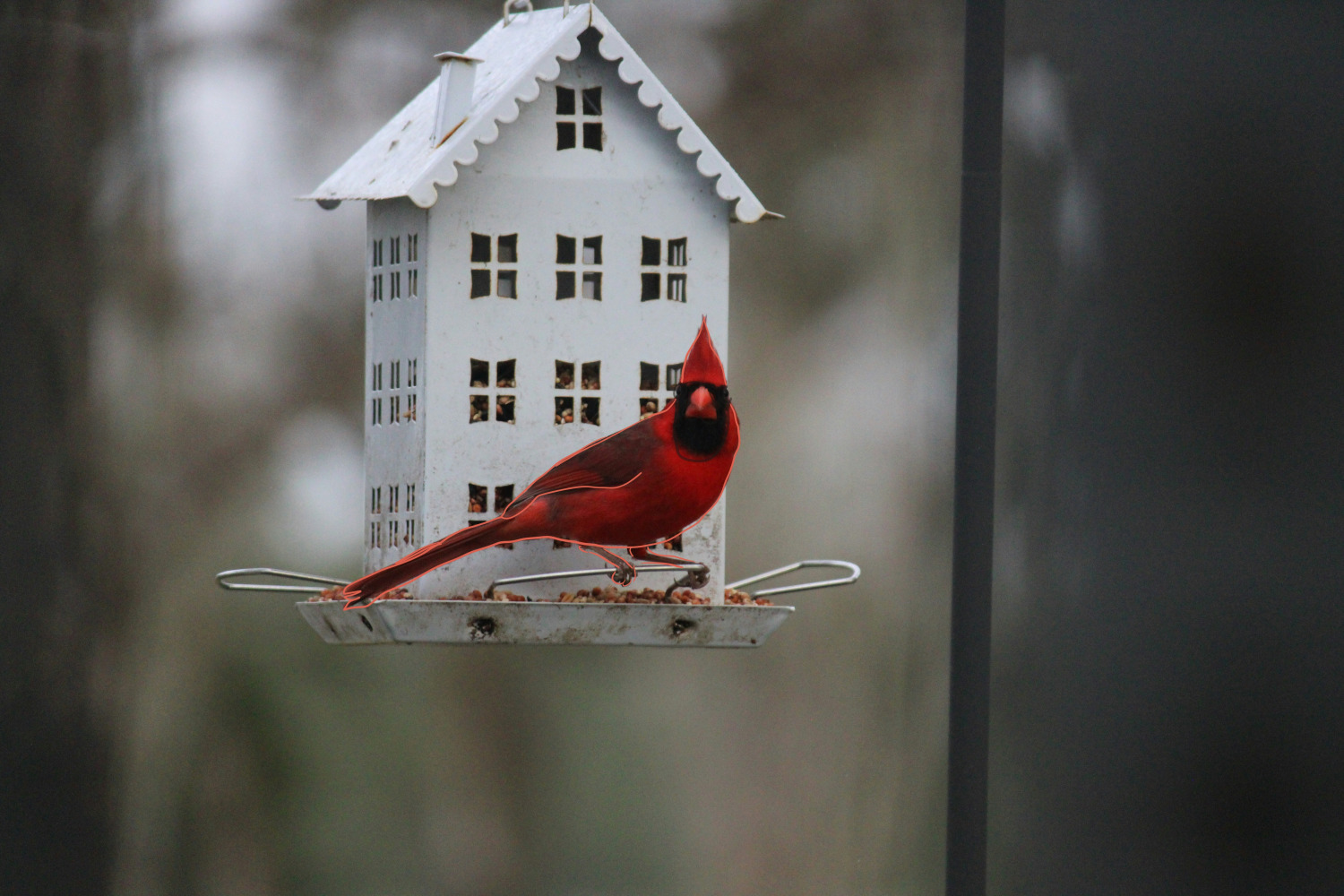
Finches and sparrows prefer tube feeders. Cardinals and jays like platform or hopper feeders. Ground feeders pick up seeds on the ground or from an elevated tray feeder. A variety of feeder types will bring a variety of birds to visit your garden. When shopping for a feeder, consider these tips:
- Avoid feeders with small crevices and complex parts where food particles can accumulate, causing bacteria and mold to form. A clean design is easier for birds to access and easier to maintain. Feeders should be cleaned at least twice a month with a solution of one part bleach to nine parts water; rinsed thoroughly and dried completely before refilling.
- To avoid birds flying into windows, feeders should be placed between 3 and 30 feet from a window.
- Replacing chain hangers with fishing line will keep squirrels and racoons from obtaining an n easy foothold climb to feeders.
- Mesh feeders keep food clean as birds won’t stand on the seed.
- Hopper feeders will hold six to eight quarts of seed and require filling less often. Many types of birds will feed from them.
- Tube feeders in either glass or mesh attract finches, chickadees, nuthatches and titmice. Try to find one on which the perches drop to cover the feeding holes if a larger bird or acrobatic squirrel tries to get at the seeds.
- All birds love suet in the winter and need it for protein. A wire cage or branch to cling to while extracting the suet bits is a definite benefit. It should be hung where squirrels, racoons, deer and other climbing rodents can’t get to it as they love suet also. We found that a wire cage with suet hung in the middle of a clothesline strung between two hooks discouraged vandalizing.
- Tray feeders, or platform feeders, attract ground feeders as well as many other birds. They can be placed on the ground or hung from a branch or pole. Be aware that if deer travel through your gardens, the seed on the ground will not last for the birds.
Make a Special Treat for your Visitors – A Seed Wreath
How to Make a Bird Feeder Wreath
This recipe creates enough mix for approximately three seven-inch wreaths.
Ingredients and supplies:
- Cooking oil spray
- 8 cups bird seed
- 1-1/2 cup flour
- 6 tablespoons light corn syrup
- 2-1/4 oz. packets unflavored gelatin
- 1 cup water
- 1/4+ cup dried cranberries or other colorful fruit or nuts
- A length of wide ribbon
- Optional: ½ cup peanut butter, dried fruits, nuts
- A Big Bowl
- Round, tubular Jello or cake molds
- A Large Spoon
- Scissors
Process
- Spray the inside of the mold with cooking oil spray.
- In a large bowl, combine the bird seed, flour, and corn syrup.
- Combine the gelatin and cold water in a glass measuring cup or bowl and let sit from 3 to 5 minutes, until the granules have absorbed the water. Heat this mixture just until it becomes liquid. (If using a microwave heat in 10 second intervals.) Add to the bird seed mixture and mix well.
- Place cranberries or nuts in the bottom of the mold in a pleasing manner.
- Spoon bird seed mixture into the bottom of the mold around the holly and cranberries and press firmly. Add additional bird seed mixture and pack down with your hands until the bird seed mixture is about 2” high.
- Set in a cool, dry place for 24 to 48 hours to dry.
- Remove the wreath from the mold by running a knife around the edges and turning upside down.
- Let the wreath dry in a warm location for a week or more. The longer it dries, the lighter and stronger the wreath will be.
- Place the ribbon through the center of the wreath, tie to make the two ribbon ties parallel with the wreath, then tie on top, creating a hanging loop.
Note: A seven-inch mold is a nice size, producing a wreath that is not too heavy for branches. The wreaths can be thicker than two inches, especially if being hung on a fence, but the two-inch depth creates a relatively light-weight wreath. No mold? Use a tubular Jello mold, a round Jello mold with a glass in the center (to create the hole) or a tubular cake pan.
Hang the wreath on a fence, shrub or branch and watch birds enjoy the treat.
Pine Cone Bird Feeder
An easier feeder to make, and a great project for kids, is a pine cone feeder.
How to Make a Pine Cone Feeder
Find fat pine cones about four or five inches tall. Tie a string around the top, leaving long enough ends to tie onto a branch. Roll the cones in (room temperature) Crisco, lard or peanut butter. Then roll the cones in birdseed. Hang the cones in tree branches.
Whether you make your own feeder treats or just provide birdseed in a feeder, the birds will appreciate your efforts.
Article Resources:
Garden Gate Online Newsletter, 12-2025; “Avoid These Common Bird-Feeding Mistakes” By: Marisa Reyes
Birdseed Wreath Instructions: Summit Master Gardener – The Root of It Newsletter, December 2023; By: K. Edgington