


Gardening Sweet Spots
By Donna Hessel
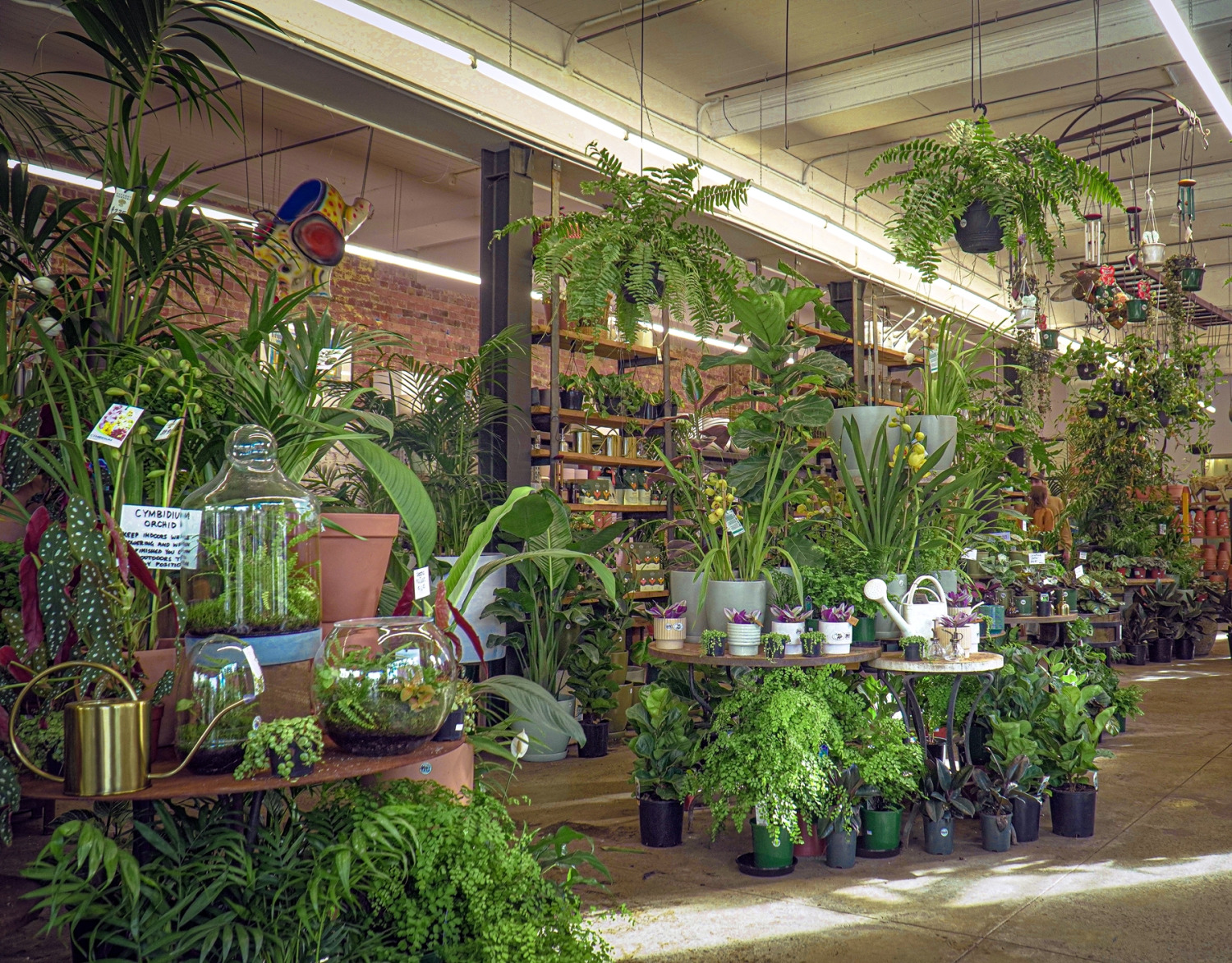
It seems every retailer, in addition to big box and independent garden center nurseries, are offering a myriad of houseplants to “green up” your home. So many choices! Here are some tips from local Northeast Ohio growers and nurseries to help you make the right purchase decisions.
Incorporate Houseplants into your Décor
Indoor plants improve mental and physical well-being in unrecognized ways. Research shows that indoor plants purify the air, helping rid it of common toxins and indoor pollutants. Gary L. Altman, the associate director of the Horticultural Therapy Program at Rutgers, has identified additional benefits. “Plants can be used to increase the relative humidity indoors, reduce noise, screen unattractive areas, and moderate room temperature by shading a bright, sunny window.” Plants can also benefit mental health, helping to alleviate stress. Adds Altman, “They can improve recovery from illness or injury quicker. By surrounding ourselves with plants, we are able to create a sort of natural, living sanctuary in which we feel safe and protected.” Growing and caring for plants is part of plant therapy programs to help patients recover.
Best Houseplants for Northeast Ohio
Not all houseplants can survive the changing and shifting light and humidity conditions in Ohio. Following are the top five that are well suited for local homes, easy to maintain and enjoyed by both new and experienced plant parents.

- Snake Plant (Sansevieria) – hard to kill; visually striking; thrives in low light and dry air. This plant helps to purify the air and upright, lance-shaped, mottled green leaves provide a striking architectural focal point. Snake plants prefer medium to low soil moisture. Toxic to pets.
- ZZ Plant (Zamioculcas zamiifolia) – tolerates low light, infrequent watering, and dry indoor air. Deep green, glossy leaves add life to any room.
- Pothos (Epipremnum aureum) – trailing foliage grows fast even in indirect light. Adapts well to seasonal light shifts. Medium green, heart-shaped leaves are streaked with gold or white variegation. It likes moderate to low soil moisture.
- Spider Plant (Chlorophytum comosum) – (A favorite of mine!) pet friendly, thrives in various light conditions, tolerates dryness. White striped, arched leaves and hanging baby “spiderettes” add visual variety to mounded plant collections.
- Peace Lily (Spathiphyllum) – elegant white blooms; prefers bright, indirect light; signals water need with drooping leaves.
Caring for Plants in Winter
Lower light levels, drier air and slower plant growth mean less frequent need for water in the winter and overwatering plants is a common mistake. Purchasing a moisture meter to test soil before watering is a good investment. Furnaces reduce indoor humidity. Humidifiers, pebble trays and grouping plants together can help maintain moisture. Sun-loving plants will appreciate bright windows, but avoid cold drafts.
Know When to Water
Three ways to tell when it’s time to water houseplants
- Does it feel dry? Time to water if soil feels dry between first and second knuckle when sticking a finger into the top inch of potting soil and soil looks light in color or is pulling away from the pot sides.
- Does it feel heavy? The drier the plant, the lighter the pot will feel. Lift the plant after watering and note the weight. Water when pot feels light.
- Does it look wet? Make sure the plant isn’t standing in water more than a half hour after watering. Dump the excess water.
Additional Plants to Try
The plants listed need varying light and moisture conditions so be sure to do a search for specific needs if purchasing one of them. The plant tag should list basic needs such as light, moisture requirement and temperature. Plants below are listed according to the major benefit they provide. Many are tropical plants that will add color to a collection and variety in form, but may require more maintenance than the plants recommended specifically for Northeast Ohio locations. Some can be moved outdoors in the summer; others need to be indoor plants year-round.
Air Purifying Plants
Phalaenopsis orchids add color in addition to purifying the air
Bromeliads and air plants, corn plant, English ivy, Phalaenopsis and Dendrobium orchids. umbrella plant and philodendrons.
These Plants Like High Humidity: African violet, Chinese evergreen, croton, ferns, flamingo flower, nerve plant, prayer plant.
Prayer plants thrive in high humidity
Low-Light Tolerant Plants: Palm Neanthe Bella (parlor palm), philodendron, dumb cane, Chinese evergreen, dragon tree, Swiss cheese plant.
Philodendron varieties can tolerate low light conditions
Elephant ears like moist soil
Plants That Like High Soil Moisture: Bird of paradise, bonsai, carnivorous plants, orange, lime, lemon, elephant ear, ferns, rubber plant, weeping fig, fiddle leaf, lucky bamboo, peace lily, zebra plant.
Best for Pet and Child Safety: African violet, aluminum plant, baby rubber plant, Boston, staghorn and rabbit’s foot ferns, Christmas cactus, echeveria and hens & chicks, burro’s (donkey’s) tail, prayer plant, spider plant, zebra plant.
Hens and Chicks is a popular, non-toxic succulent
Even more houseplants are considered non-toxic to pets, including gerbera daisy, money tree, polka dot plant, bromeliad, phalaenopsis orchid, tillandsia (air plants), and many select palms like ponytail palm, areca palm, parlor palm, and bamboo palm.
Want to know if a specific plant is toxic to pets? Visit ASPCA’s website to access a complete list of toxic and non-toxic plants. Plant information can be sorted and printed by specific animal type.
Start Small; Add Judiciously!
Couldn’t pass up this Facebook post. Enjoy the plants you select and their benefits.
Article resources:
prevention.com/health/g27586276/benefits-of-indoor-plants/Benefits of Houseplants/
Garden Gate Newsletter – December 2025 – “How to Water Houseplants” – by Jennifer Howell
petittigardencenter.com/air-purifying-houseplants/
petittigardencenter.com/low-light-houseplants/
petittigardencenter.com/thirsty-much-houseplants/
petittigardencenter.com/petandpeoplefriendlyplants
petittigardencenter.com/humiditylovers