

Gardening Sweet Spots
By Donna Hessel
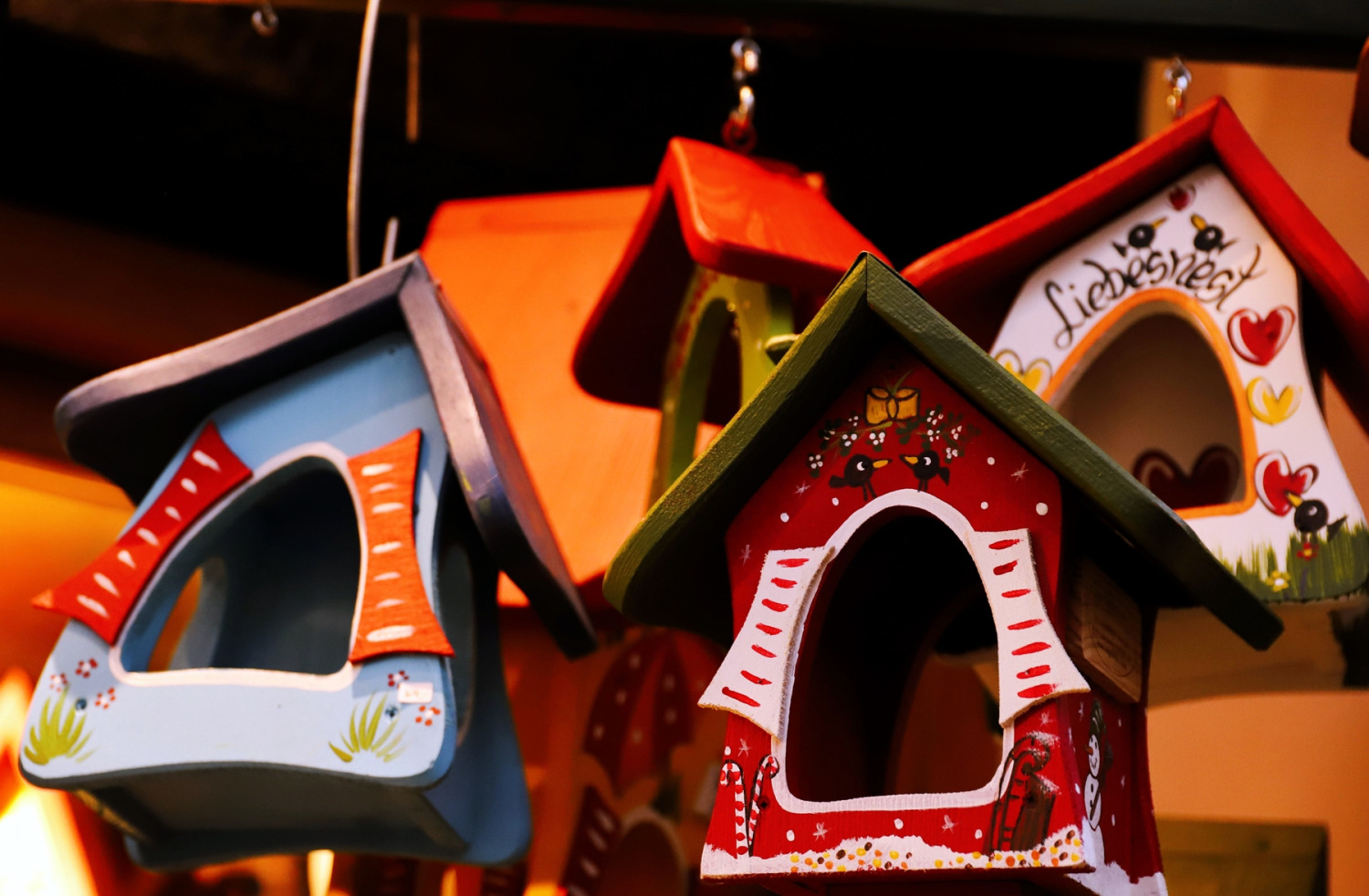
The Cutest Birdhouse may not be the Ideal One
You may have been seduced by the cute birdhouses offered by vendors at a craft/art fair this summer — and purchased one. But will the birds that visit your garden find it suitable for nesting and winter shelter? Birdhouses are lovely garden focal points, but they can be more.
Birdhouses are not just nesting boxes. They keep birds cool during summer months and warm during colder months and provide shelter year-round. Different styles of houses serve various purposes and birds have different needs and preferences. If you are in the market for a birdhouse (incidentally, they make great holiday gifts), here are some tips to consider before purchasing.
- Size of the box. Think about what type of bird to attract before picking a house size. Bigger birds, such as bluebirds, like bigger houses – about one foot tall and 6 inches wide. Chickadees and smaller birds are satisfied with little, 8-inch cube houses.
- Entryway. The size of the entryway is important. Smaller holes are ideal for smaller birds, e.g. 1-1/8 inch; larger holes for larger birds. Bluebirds prefer an entrance hole around 1.5 inches in diameter; birds like owls need a much bigger hole.
- Color. Certain colors attract certain types of birds. Bluebirds, for example, are attracted to light-colored houses; while woodpeckers like darker shades. Selecting colors that help birdhouses blend in with their surroundings will provide better camouflage for nesting birds.
- Construction material. Untreated wood is usually the best choice for insulation and durability. Aluminum or dried gourds can also be used for specific types of birds. Metal or plastic houses placed in direct sunlight will get very hot and birds prefer natural materials.
- Ventilation and drainage. Birds need good airflow to prevent overheating, so birdhouses with small vents or gaps in the design are ideal. Vents also allow moisture to escape. Drainage holes prevent water from pooling inside.
The Best Houses for Specific Birds

Bluebirds. The birdhouse should be about 5-inches by 5-inches square; about 11 inches tall. The entrance hole should be about 1.5 inches in diameter. Bluebirds prefer a slightly higher entrance hole than other birds, placed about six or seven inches from the bottom of the box.
No perch to deter predators, but some notches below the entry will provide a foothold. Untreated wood boxes are recommended; good ventilation is necessary. Light blue or white boxes will attract bluebirds.
Robins. Robins prefer open-fronted nest boxes rather than traditional enclosed boxes with smaller entrances (which is why you will find a robin’s nest in your inviting front door wreath).
Find one with an open front or an extended platform on which to build a nest. They prefer building in trees or shrubs, so be sure the house is placed near a garden for food access in the summer.
House Wrens. House wrens love to make their homes in birdhouses and will defend their chosen nesting spot. The entrance hole for a wren house should be about 1-1/8-inch diameter and wood houses are preferred.
Chickadees. Chickadees also love to nest in birdhouses. The entrance hole should be 1-1/4- inch diameter. They prefer boxes made from cedar or pine and hung high – five to 15 feet from the ground.
Purple Martins. Purple Martins are the largest species of swallow in North America and they prefer communal accommodations. Multi-roomed birdhouses, called martin houses, will attract them. They should be hung on tall poles.
Owls. Owls can be attracted to gardens if their preferred houses are available, placed in a quiet and secluded area. They need large, spacious houses with an entry that is appropriately sized – big enough for the owl to enter comfortably, but small enough to deter predators.
Since they nest naturally in hollow trees, wood is the best material as it provides insulation and durability. (Note: the house pictured is way too close to the ground and too open to predators to be selected by a wise, old owl!)
Woodpeckers. Woodpeckers prefer cedar over pine houses with a 1-1/4-inch entryway, a hinged roof and proper drainage.
Maintenance
Birdhouses need to be cleaned out annually in late summer or fall to remove nesting material and prepare the house for future residents. When purchasing a birdhouse, make sure it can be opened to be cleaned. Do check to make sure the house has been vacated before cleaning it.
No Trees? Where to Hang a Feeder or Birdhouse
A birdhouse can be attached to a sturdy pole driven into the ground, allowing selection of the height and orientation of the house. Specialized mounting brackets for poles are available at garden centers. Birdhouses can also be attached to a fence post or deck rail, on the side of a house or gable, using brackets designed for that type of attachment. Alternatively, L-brackets and screws will work. Birdhouses can be hung with chain, rope or wire from the roof of a porch or pergola. Any stable, durable and adequately high structure can be used as a mounting base, providing an artistic focal point in the garden.
Baffles Provide Protection
Predator baffles on posts or other freestanding structures provide protection for feathered friends. Baffles are cylindrical or cone shaped barriers placed on the structure below the feeder or birdhouse. Cone baffles should be 18 inches wide and extend 2 feet below the feeder or house. Cylindrical baffles are metal stovepipe sections, at least 8 inches in diameter and 2 feet long, placed around the pole. Be sure your feeder especially is far enough away from a structure from which a squirrel or racoon can jump or drop directly onto the feeder – including overhead wires! Be sure the baffle is securely attached to the structure because squirrels or racoons will hang on it to try to get over it and into the feeder.
Attracting birds to your garden has many benefits! They help to maintain the balance of ecosystems. Birds play a vital role in pest and weed control. They unknowingly transfer pollen from one flower to another while searching for nectar or insects. Watching colorful birds and listening to their songs creates a sense of calm and joy for viewers. Add birdhouses to your garden now to enjoy visits this winter. It may take a few weeks for the birds to recognize the houses, but ultimately they will.
Article References
birdsandtrees.net/birdhouses-types-different-birds-choose-perfect-one/
“Types of Birdhouses for Different Birds: How to Choose the Perfect One”
by Owen Featherstone, August 30, 2023
birdspal.com/best-birdhouses-for-different-species/
“Best Birdhouses for Different Species: A Complete Guide”
by Lisa Justice, September 16, 2024
guidedreview.com/how-to-hang-a-birdhouse-without-a-tree/
”The Ultimate Guide: How to Hang a Birdhouse Without a Tree”
Photos: All from pexels.com except the bluebird house from amazon.com