


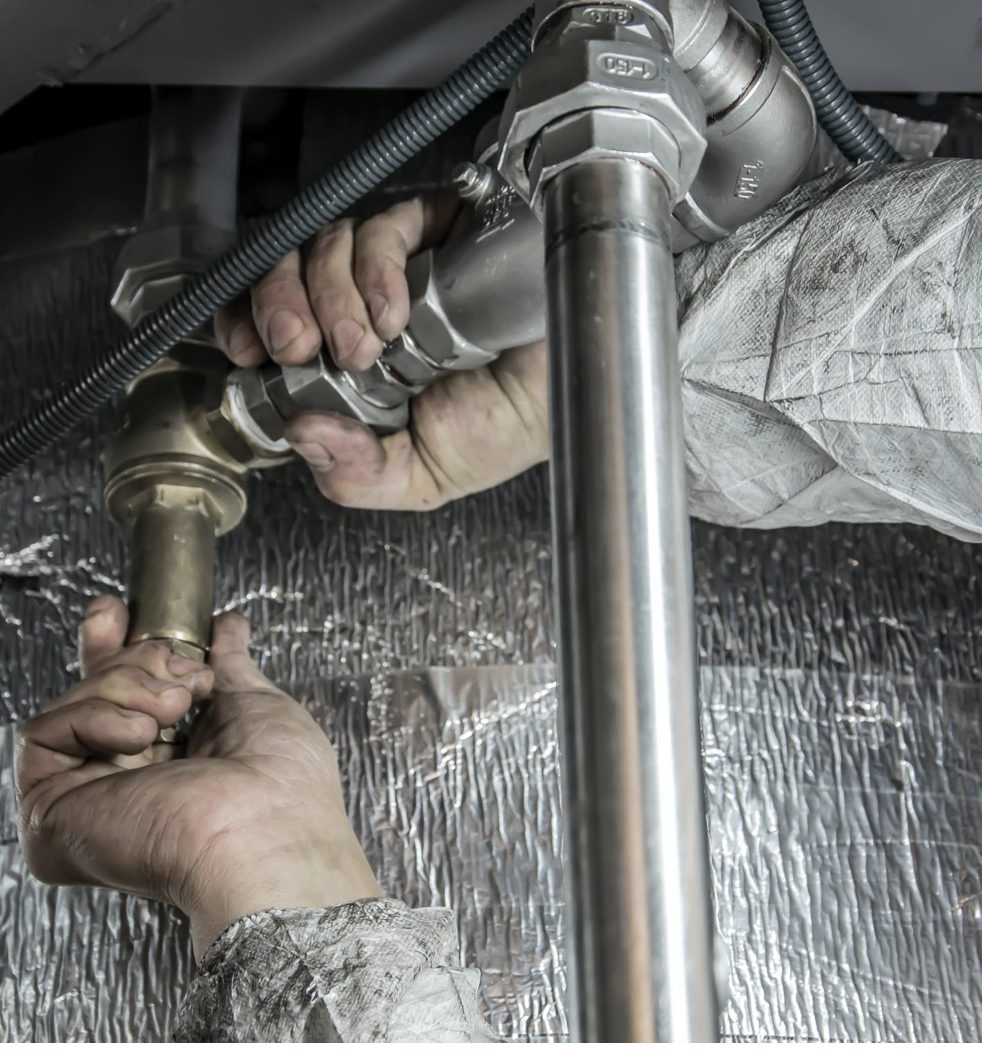
That small drip under the sink or the faint water spot on the ceiling might seem like minor annoyances you can deal with later. But what starts as a small leak can quickly spiral into a major problem. It can cause significant damage to your home and even pose health risks. Knowing the signs of water damage and what to do can save you from costly repairs and long-term headaches.
Spotting Hidden Water Leaks
Not all water leaks are as obvious as a puddle on the floor. Many hide behind walls, under floorboards, or in ceilings. They can silently cause damage for weeks or even months. One of the first clues might be a musty, earthy smell you can’t quite place. Other subtle signs of a water leak in your home include peeling or bubbling paint and wallpaper, warped or stained drywall and ceilings, buckling or soft spots in your flooring, and a sudden, unexplained increase in your water bill.
If you notice any of these red flags, it’s time to investigate further. Ignoring them allows moisture to keep seeping into your home’s structure, setting the stage for more serious issues.
Dangers of Untreated Water Damage
When water saturates building materials like wood, drywall, and insulation, it compromises their structural integrity. Wood can rot, drywall can crumble, and insulation loses its effectiveness. This damage isn’t just cosmetic; over time, it can weaken your home’s structure and lead to costly repairs. If you notice significant staining, sagging, or signs of structural damage, professional restoration is often the safest option. You can visit EastSide Restore Pros to learn more about water damage restoration and professional assessment services.
The Mold Threat: What to Know
Where there’s persistent moisture, there’s a risk of mold. Mold spores are everywhere, but they only need moisture and an organic food source (like drywall or wood) to start growing. It can begin to colonize in as little as 24 to 48 hours after water gets in. Beyond looking bad, mold releases spores into the air that can cause a range of health issues. Mold exposure can lead to allergic reactions, asthma attacks, and other breathing problems, especially for sensitive people. Preventing mold is always easier than removing it, which is why quick action is so important.
Emergency Steps After Water Damage
Finding water damage can be stressful, but a few immediate steps can help minimize the impact. If you can safely do so, follow these guidelines:
- Stop the Water: If you know the source, shut off the water supply to that fixture. For major leaks, you might need to turn off the main water valve to your house.
- Turn Off Power: If water is near electrical outlets or appliances, shut off the power at the breaker box to prevent electrical shock.
- Move Belongings: Move furniture, rugs, and other personal items from the wet area to a dry spot.
- Start Drying: For smaller spills, use fans, mops, and towels to remove as much water as possible. For bigger floods, you often need professional water extraction.
Working with Your Insurance Company
After taking immediate safety precautions, your next call should be to your homeowners insurance agent. They can guide you through the claims process and explain your coverage. To make the process smoother, be prepared to:
- Document Everything: Take photos and videos of the leak’s source and all damaged areas and belongings before you move or repair anything.
- Keep Records: Write down everyone you speak to at the insurance company, including the date, time, and details of the conversation.
- Save Receipts: Hold onto receipts for any immediate repairs you have to make, like hiring a plumber to stop the leak.
Acting quickly and staying organized will help ensure your claim is processed efficiently. This can help you restore your home more quickly and reduce further damage. A small leak doesn’t have to become a catastrophe if you know how to respond.