

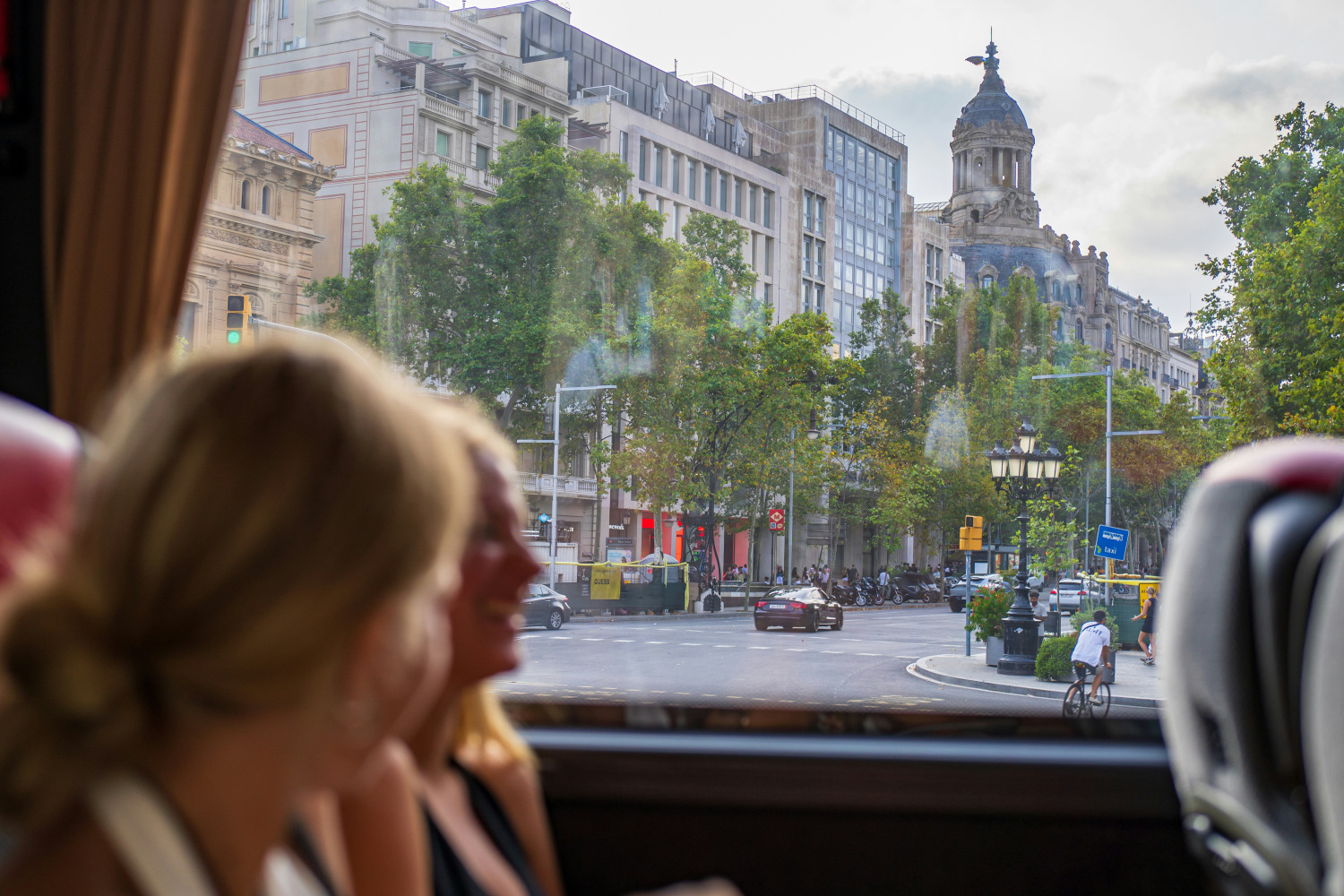
A city getaway is a unique chance to dive into a new culture, discover amazing food, and feel the buzz of a lively metropolis. But with so many choices, planning the perfect urban escape can feel overwhelming.
The trick is to design a trip that fits your personal style, interests, and pace. This guide will walk you through the key steps to create a city vacation that leaves you feeling refreshed and inspired, not exhausted.
From smart packing to strategic sightseeing, we’ll cover everything you need to know to make the most of your urban escape and even share some city living tips for maximizing your time.
Defining Your Ideal City Vibe
When you’re planning a memorable urban escape, the first step is figuring out what kind of atmosphere you’re after. Not all cities are the same, and the vibe can truly make or break your experience. Do you crave the non-stop energy of a global hub, or would you prefer a quieter, more historic setting? Thinking about this early on will significantly help narrow down your destination choices.
Consider what you want to do with your time. Are you an art lover who dreams of spending days wandering through museums and galleries? A city like Paris, Florence, or Chicago might be perfect. If you’re a foodie who fantasizes about street food stalls and Michelin-starred restaurants, destinations like Tokyo, Mexico City, or New Orleans could be ideal. For those who love history and architecture, cities such as Rome, Boston, or Prague offer endless streets to explore. You can also find lists of the best cities in the world to get ideas and compare different urban environments.
Think about the pace you want. A sprawling metropolis like New York or London offers endless excitement but can also be intense. A smaller, more walkable city like Amsterdam or Dublin might provide a more relaxed experience. Be honest with yourself about what kind of energy will truly recharge you.
Choosing Your Accommodation Style
Where you stay is more than just a place to sleep; it’s your home base and a big part of your travel experience. Your choice of accommodation should match the city vibe you’ve picked and the kind of trip you want to have. The right location can save you time and transportation costs, putting you right in the middle of the action.
For a truly immersive experience, think about staying in a neighborhood that reflects your interests. If you’re planning a trip to New York City and want to be surrounded by art, culture, and culinary innovation, booking a NoMad NYC hotel places you within walking distance of iconic landmarks, trendy boutiques, and some of the city’s best dining. This type of centrally located, stylish hotel is great for travelers who want to feel connected to the city’s pulse and enjoy high-quality amenities. It lets you easily pop back to your room for a quick break before heading out for the evening.
Alternatively, if you’re on a tighter budget or prefer a more local feel, a vacation rental in a residential neighborhood could be a good option. This can give you access to a kitchen and a glimpse into daily life in the city. Hostels are another choice, perfect for solo travelers or those looking to meet other people, though they offer less privacy. Each style has its benefits, so weigh what’s most important for your trip: location, amenities, social opportunities, or budget.
Balancing Activity and Relaxation
One of the biggest mistakes travelers make on a city break is trying to cram too much in. A packed itinerary can lead to burnout, leaving you feeling like you need a vacation from your vacation. The key to a truly enjoyable trip is finding the right balance between planned activities and spontaneous downtime. A great city escape should include both iconic sights and moments of simple relaxation.
A good rule of thumb is to plan one or two big activities per day and leave the rest of your schedule open. This could mean visiting a major museum in the morning and leaving the afternoon free to wander through a charming neighborhood you discovered. This approach stops you from rushing from one attraction to the next and allows for unexpected discoveries, which are often the most memorable parts of a trip. You might stumble upon a hidden cafe, a beautiful park, or a unique local shop.
Don’t forget to build in genuine rest. Cities can be stimulating, and it’s important to have time to recharge. This doesn’t have to mean napping in your hotel room. Relaxation can be active, like taking a walk through a city park to find nature in cities or finding a bench with a great view for people-watching. Many of the top urban escapes are located near green spaces that offer a welcome break from the concrete jungle. Giving yourself this unstructured time ensures you return home feeling renewed, not depleted.
Creating Memorable Moments
While seeing famous landmarks is a rewarding part of travel, the most cherished memories often come from unique, personal experiences. To make your urban escape truly special, look for chances to connect with the local culture beyond the typical tourist trail. These are the moments that turn a good trip into a great one.
Instead of just eating at popular restaurants, consider taking a cooking class to learn how to make a regional specialty yourself. Rather than just shopping at big-name stores, spend an afternoon exploring a local flea market or artisan cooperative. These experiences offer a deeper understanding of the city’s character and often lead to more meaningful interactions with locals. For example, you could learn to make fresh pasta in Rome, take a tango lesson in Buenos Aires, or join a street art tour in Berlin.
Think about your personal interests and find a local equivalent. If you love live music, skip the arena tour and find a small, historic jazz club. If you’re an avid reader, seek out independent bookstores in different neighborhoods. These activities let you engage with the city on your own terms and create a trip that feels uniquely yours. Don’t be afraid to step off the beaten path; that’s often where the best stories are found.
Budgeting for an Enjoyable Trip
A well-planned budget is essential for a stress-free vacation. Knowing your finances are in order allows you to relax and fully enjoy your urban escape without worrying about overspending. The goal isn’t to restrict yourself but to spend smartly on the things that matter most to you.
Start by setting an overall budget for your trip, then break it down into major categories: flights, accommodation, food, activities, and shopping. Research costs in your destination city to make realistic estimates. For instance, a daily food budget will look very different in Zurich compared to Lisbon. Using a travel budget calculator can help you organize these numbers and see where your money is going. Booking flights and hotels several months in advance can often lead to significant savings.
Once you’re on your trip, track your daily spending. This doesn’t have to be tedious; a simple notes app on your phone will do. Look for ways to save without sacrificing experience. Many cities have excellent public transportation systems that are much cheaper than taxis. Pack a reusable water bottle to save money and reduce plastic waste. Finally, seek out free activities. Most cities offer a wealth of experiences that don’t cost a thing, from walking across the Brooklyn Bridge to watching the sunset from a scenic viewpoint or visiting museums on their free admission days. A smart budget ensures you have enough funds for both the essentials and those special splurges that make a trip unforgettable.
Your perfect urban escape is out there waiting for you. Defining what you want from your trip and planning thoughtfully helps you create an adventure that perfectly suits your style and leaves you with lasting memories.